Blog
Explore insights on
how food, digestion, and stress shape your hormone grid and energy pathways. The blog covers
practical nutrition strategies, metabolic support, and real solutions to help you take control of your health.
Dive in for expert guidance, case studies, and actionable tips.

March 25, 2025 by Deborah Penner In a world full of modern seed oils and synthetic skincare products, tallow is making a comeback—and for good reason. In his latest article, Dr. Robert Malone explores this time-honored fat that has nourished and supported humans for generations. From its dense nutritional profile to its unique benefits for the skin, tallow stands out as a versatile, shelf-stable, and highly bioavailable source of essential fatty acids, fat-soluble vitamins (A, D, E, K2, and B12), and anti-inflammatory compounds like conjugated linoleic acid (CLA). Dr. Malone breaks down what tallow is, how it’s rendered, and why sourcing it from grass-fed animals matters. He covers its historical culinary use, superior storage potential, and modern skincare advantages. He also shares how to make tallow at home, along with tips for storage, sourcing, and practical applications—even including a nod to traditional meat drippings. If you’re interested in ancestral nutrition, reducing toxic exposures, or reclaiming sustainable practices in your home and kitchen, this article is a must-read. Read the full article on Robert Malone’s website to explore the health benefits, uses, and how-to of tallow.
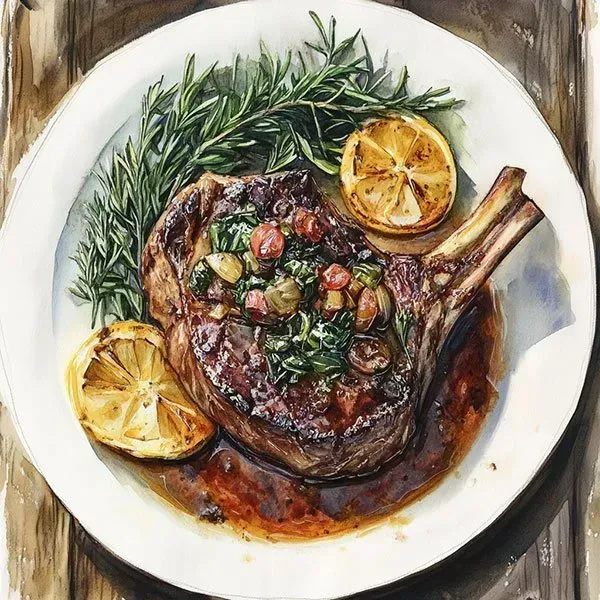
March 20, 2025 by Deborah Penner If you’re looking for a powerful way to support metabolism, joint health, and overall vitality—without reaching for another supplement—consider this often-overlooked cut of meat: the shank. In a recent article on Mercola, Ashley Armstrong highlights why shanks (from beef, pork, or lamb) may actually outperform steaks when it comes to nutrient density and health benefits. Rich in collagen and connective tissue, shanks offer a more balanced amino acid profile than typical muscle meats. When cooked low and slow, they yield gelatin—a form of collagen that’s easier for the body to absorb. This provides crucial support for the skin, joints, bones, and gut, while also boosting metabolic health through glycine, a key amino acid that helps regulate inflammation and energy production. Armstrong also explores the wisdom of traditional diets, which prioritized nose-to-tail eating and naturally included more collagen-rich foods. Today’s steak-heavy habits miss out on these benefits, making shanks an easy and affordable way to restore that balance. The article includes 15 time-tested recipes from around the world, and a video walking through Armstrong’s favorite braising method.

Ingredients
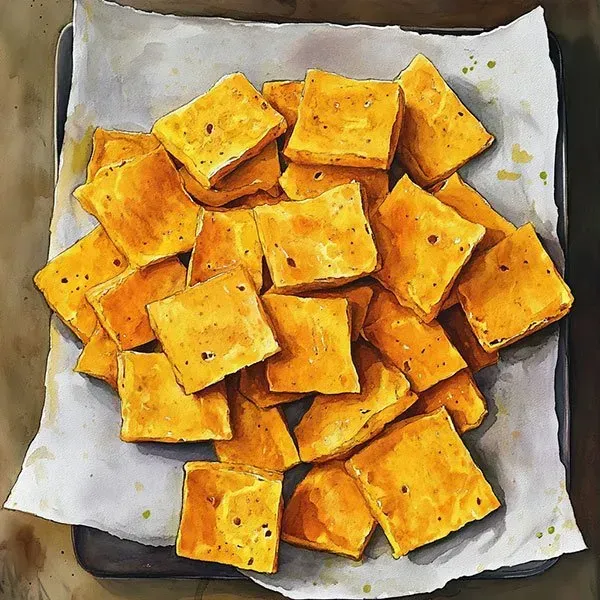
This nutrient-packed, gut-friendly flatbread has quickly become a staple in my diet. It’s delicious and satisfying on its own or paired with almond butter, guacamole, hummus, or butter. Eating a slice or two daily is a simple way to nourish your body and support overall health. If you’re looking for an easy way to add therapeutic, whole-food nutrition to your routine, this turmeric flatbread is a great place to start.

Why Homemade Chicken Soup?